
当你开始怀疑 AI 的答案时,你才真正开始用它

You only truly begin to use AI when you start to doubt its answers.

This article begins with the experience of being misled by AI, highlighting that skepticism towards AI answers is the beginning of advanced use. DiffMind helps users discover the "illusions" and "one-sidedness" of a single AI through multi-model comparison and multi-perspective verification, cultivating critical thinking and making AI a more reliable decision-making aid.

别再 “让 AI 干所有活” 了!3 步找到最适合你的 AI 助手

Stop letting AI do all the work! Find the AI assistant that's best for you in 3 steps.

This article teaches readers how to select appropriate AI (such as GPT/Claude/Gemini) based on task type (report writing/copywriting/data/short video) by using the logic of "task scenario decomposition + AI capability matching". It provides specific screening steps and case studies, and finally recommends DiffMind to help quickly compare the output of different AIs, so that readers can avoid "using the wrong AI" and improve efficiency.
为什么 ChatGPT、Claude 和 Gemini 给的答案会有明显区别?—— 三个维度看懂 AI “性格差异”

Why are there significant differences in the answers given by ChatGPT, Claude, and Gemini? — Understanding AI "Personality Differences" from Three Dimensions“

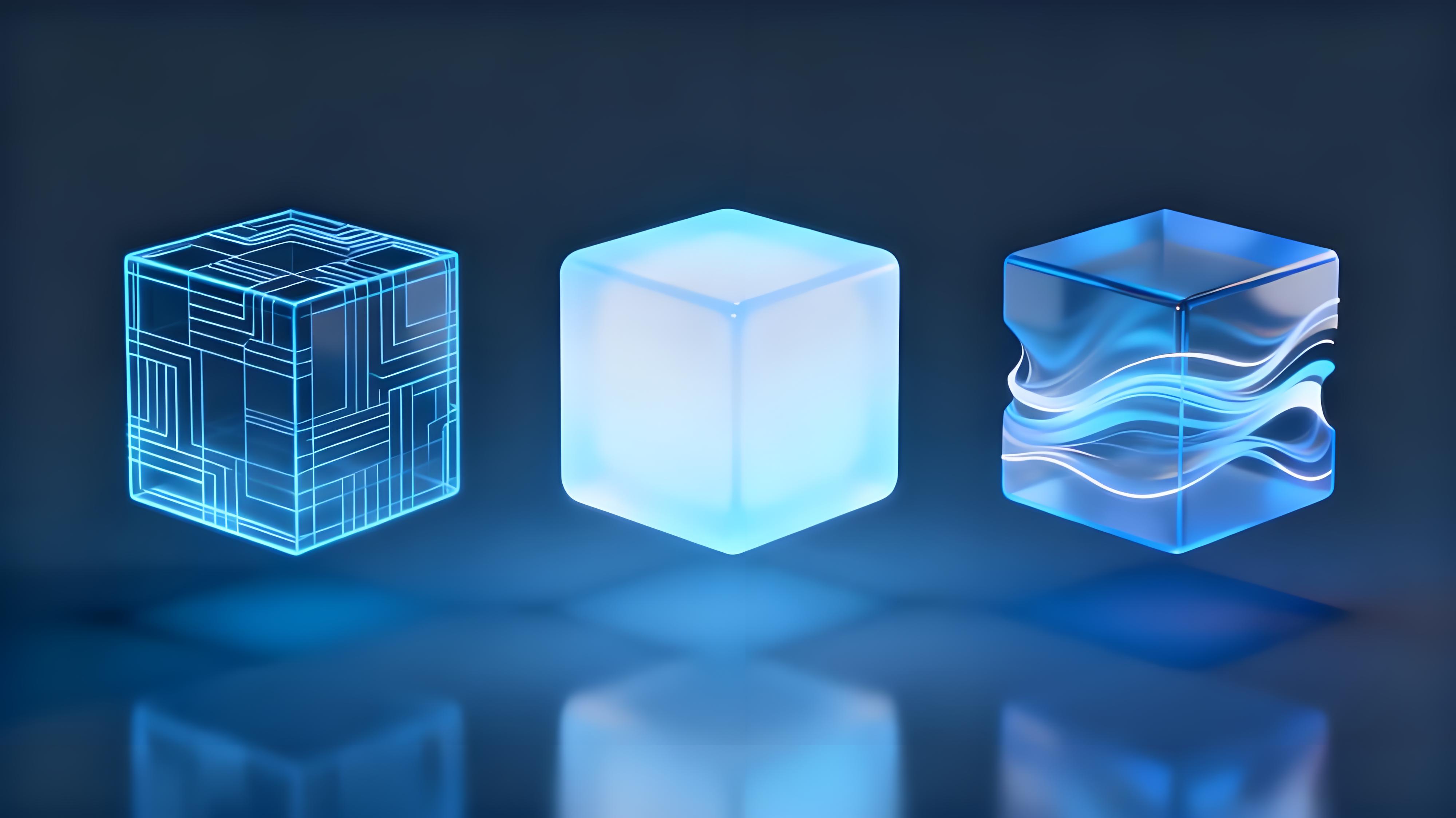
This article uses a "personality metaphor" to explain the four dimensions of difference between large AI models: language style (rigorous/storytelling/internet savvy), reasoning ability (accuracy/framework/divergent thinking), creativity (depth/meme-making), and knowledge coverage (comprehensive and old/deep and specialized/new and trendy). It illustrates the different advantages of GPT/Claude/Gemini with examples, provides scenario-based usage suggestions, and finally introduces DiffMind to help compare multiple models, enabling readers to better use AI.
让 AI 回答更靠谱的三个 “抠细节” 技巧,比单靠 AI 更省心

Three "detail-focusing" techniques to make AI responses more reliable, saving you time and effort compared to relying solely on AI.

This article shares three "detail-oriented" techniques: asking questions step-by-step to avoid missing steps, leveraging the complementary advantages of multiple models, and verifying vulnerabilities through reverse questioning. Specific prompt examples are provided to help you make AI answers more reliable. DiffMind helps you integrate these techniques efficiently.

Why do three AIs give drastically different answers to the same question?

This article uses the analogy of "personality differences" to describe large AI models (GPT's logic, Claude's emotion, and Gemini's internet savvy). It provides examples from four dimensions: language style, reasoning, creativity, and knowledge coverage, offering scenario-based usage suggestions and introducing DiffMind to help with comparison and selection. This approach is suitable for ordinary users who want to improve their AI usage efficiency.
用 AI 写方案总踩坑?3 个 “让答案更靠谱” 的实操技巧

Struggling with AI-powered solutions? Here are 3 practical tips to make your answers more reliable.

This article shares three practical techniques to make AI answers more reliable: asking questions from a different angle (adding qualifiers), having multiple AIs compete against each other (cross-validation), and completing the logical chain (step-by-step guidance). It is suitable for writers, students, and professionals, helping to avoid a single perspective and improve the quality of decision-making. The article naturally leads to DiffMind's ability to help achieve multi-dimensional comparisons at the end.
问同一个问题,为什么要多看 3 个 AI 的答案?

Why look at the answers from three different AIs when asking the same question?

This article uses real-life examples from international students and creators to explain the "perspective differences" of different AI answers, uses the analogy of "friends giving advice" to illustrate the value of multiple answers, emphasizes that multi-perspective thinking can improve the reliability of decision-making, and introduces DiffMind to help ordinary users easily compare answers from multiple models.
为什么 AI 的答案经常 “对不上”?

Why do AI's answers often "mismatch"?

The reasons for the differences in AI answers are explained: different models have different "training genes" (logic, emotion, and meme-based). The differences are demonstrated through case studies in the paper, illustrating that the integration of multiple models can improve the completeness of judgment. This leads to DiffMind, which helps users compare answers from multiple models in one window, avoiding the limitations of a single perspective.
产品经理拆解需求总卡壳?用 DiffMind 让 GPT+Claude+Gemini 帮你补全所有盲区

Product managers often get stuck when breaking down requirements? Use DiffMind with GPT, Claude, and Gemini to fill in all the gaps in your knowledge.

Product managers often miss details when breaking down requirements? DiffMind allows GPT, Claude, and Gemini to simultaneously output breakdown results, comparing logic, user perspectives, and functional coverage. This helps you discover blind spots that a single AI cannot see, improving the completeness of your PRD and the reliability of your decisions.